
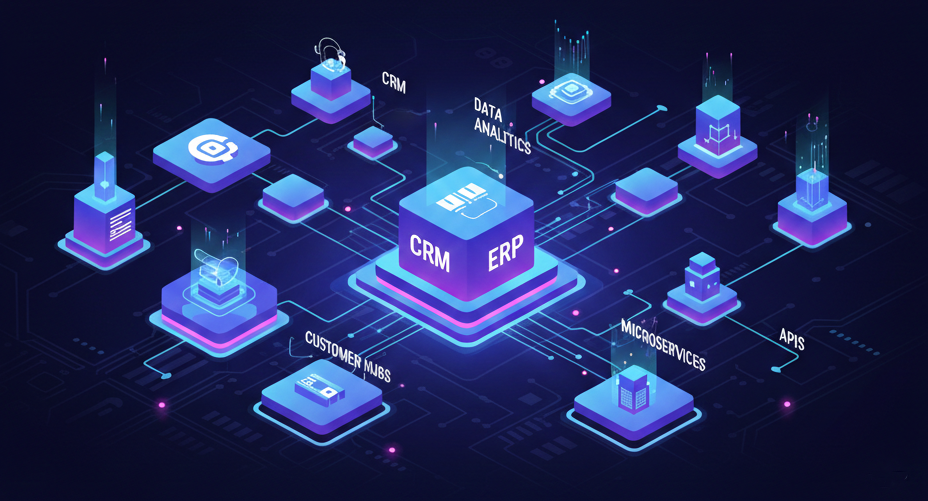
Composable business architecture is rapidly emerging as a key strategy for enterprises aiming to stay agile, scalable, and competitive in 2026. As markets evolve and customer expectations shift faster than ever, traditional rigid systems are no longer enough. Businesses today need flexibility not just in operations, but in how they build and scale their entire […]
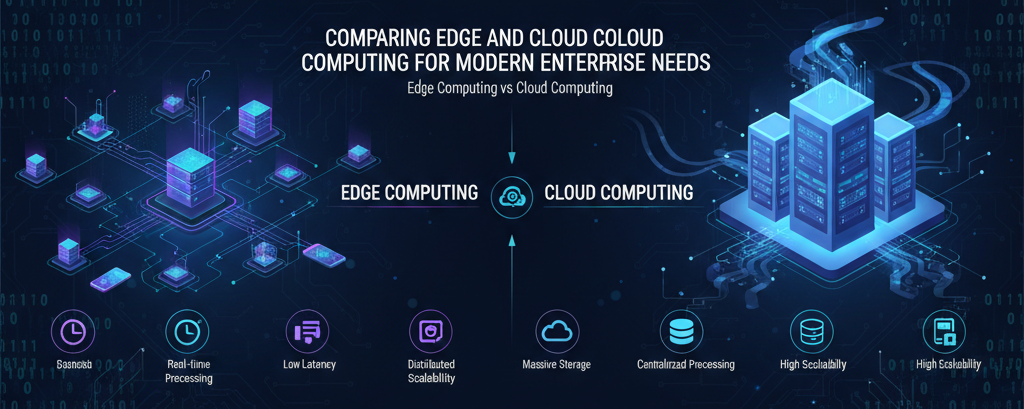
Edge Computing vs Cloud Computing: Where Should Businesses Invest in 2026?
Edge computing vs cloud computing is no longer just a technical debate, it has become a strategic decision for enterprises in 2026. As businesses demand faster processing, real-time insights, and scalable infrastructure, choosing the right computing model directly impacts performance, cost, and customer experience. While cloud computing has dominated enterprise IT for years, edge computing […]
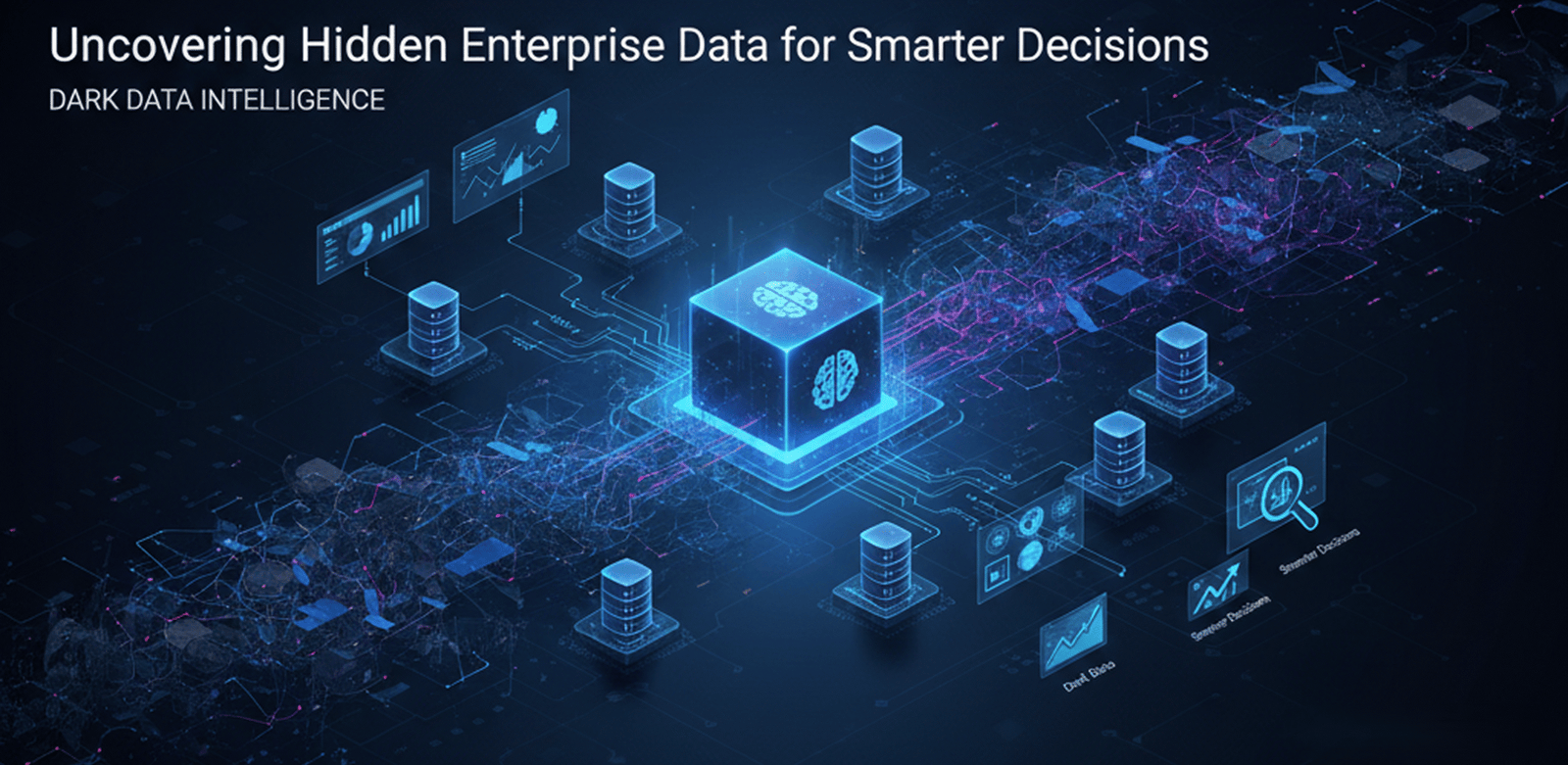
Dark Data: The Untapped Asset Enterprises Are Ignoring in 2026
Dark data is becoming one of the most overlooked assets in modern enterprises. In 2026, organizations generate massive volumes of information, yet a large portion remains unused, unprocessed, and often ignored. This hidden layer of enterprise data holds significant potential. While businesses invest heavily in analytics and AI, they often miss the opportunity to leverage […]
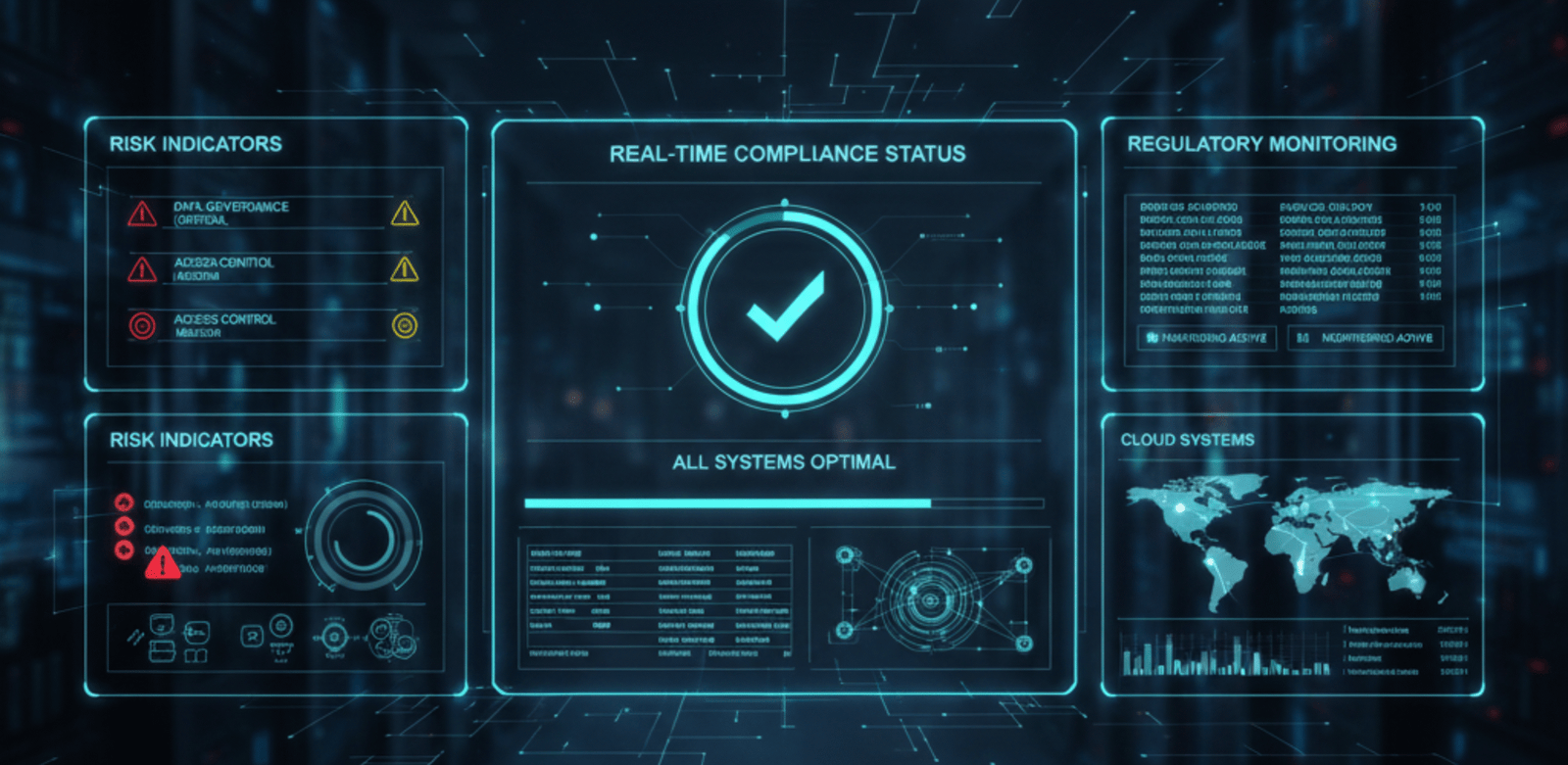
Why Continuous Compliance Is Replacing Annual Audits
Continuous compliance is rapidly becoming the new standard for how enterprises manage regulatory risk. In a world of real-time business operations, cloud systems, remote workforces, and constantly evolving regulations, the traditional model of annual compliance audits is no longer sufficient. For decades, organizations treated compliance as a periodic activity. Teams prepared for audits once or […]
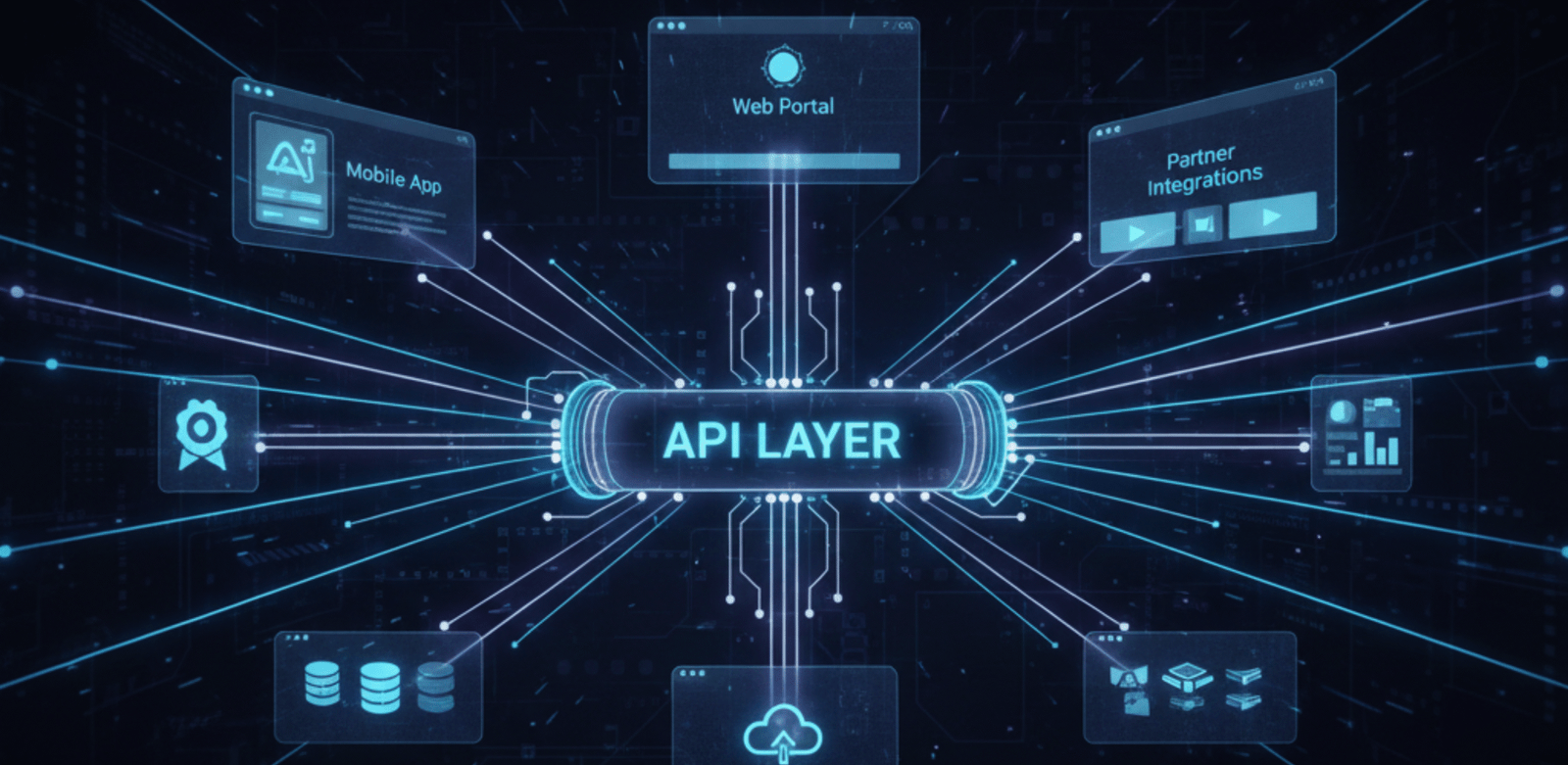
Why API-First Architecture Is Becoming the Standard for SaaS
In 2026, SaaS is no longer built as a single product. It is built as a platform. Applications must integrate with dozens of third-party tools, support multiple front-end experiences, enable partner ecosystems, and scale across cloud environments. This complexity demands a new way of designing software from the ground up. That new way is API-first. […]
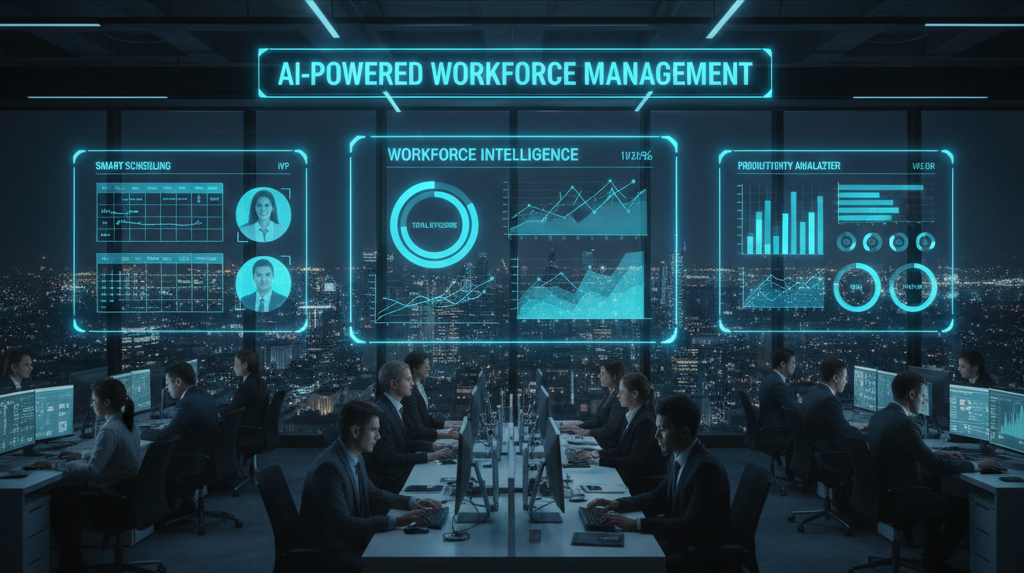
The Era of AI-Powered Workforce Management
AI-powered workforce management is redefining how enterprises operate in 2026. As organizations navigate hybrid work models, talent shortages, and increasing operational complexity, traditional workforce systems are no longer enough. For decades, workforce management focused on time tracking, attendance, and basic HR administration. Today, enterprises require intelligent systems that can predict workforce needs, optimize productivity, and […]

The Rise of AI-Driven Incident Response in Enterprise IT
AI-driven incident response is rapidly becoming the backbone of modern enterprise cybersecurity. As cyber threats grow more automated, sophisticated, and persistent, traditional manual response models can no longer keep pace. In 2026, organizations face a reality where security incidents are not exceptions, they are constants. From ransomware campaigns to identity-based attacks and cloud misconfigurations, the […]
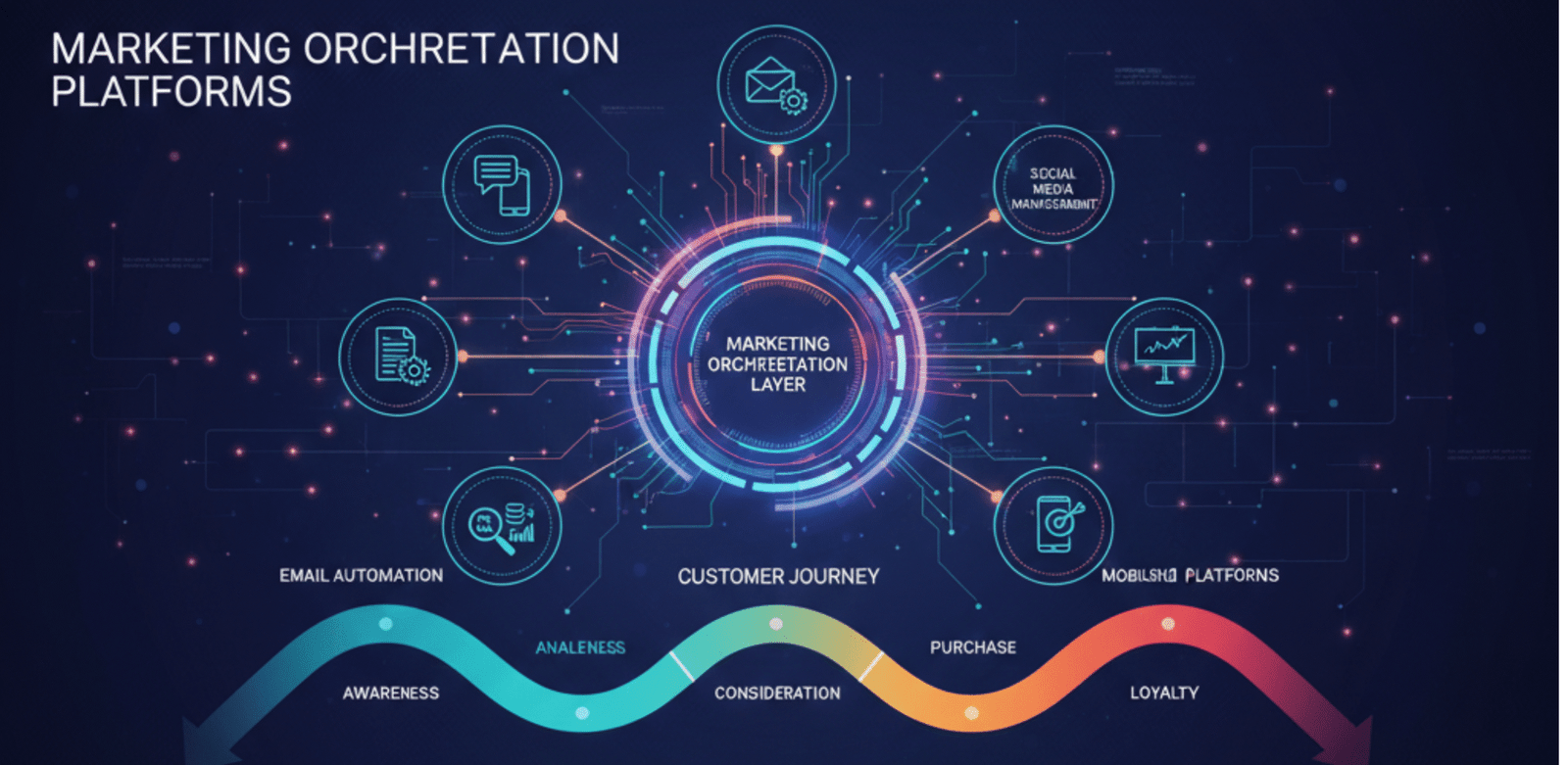
Why Marketing Orchestration Platforms Are Replacing Marketing Automation
Marketing orchestration platforms are rapidly becoming the backbone of modern B2B marketing strategies. For years, marketing automation tools dominated the industry by helping teams manage email, campaigns, and lead-nurturing workflows. However, as customer journeys grow more complex and fragmented, traditional automation is no longer sufficient. In 2026, B2B buyers interact with brands across dozens of […]
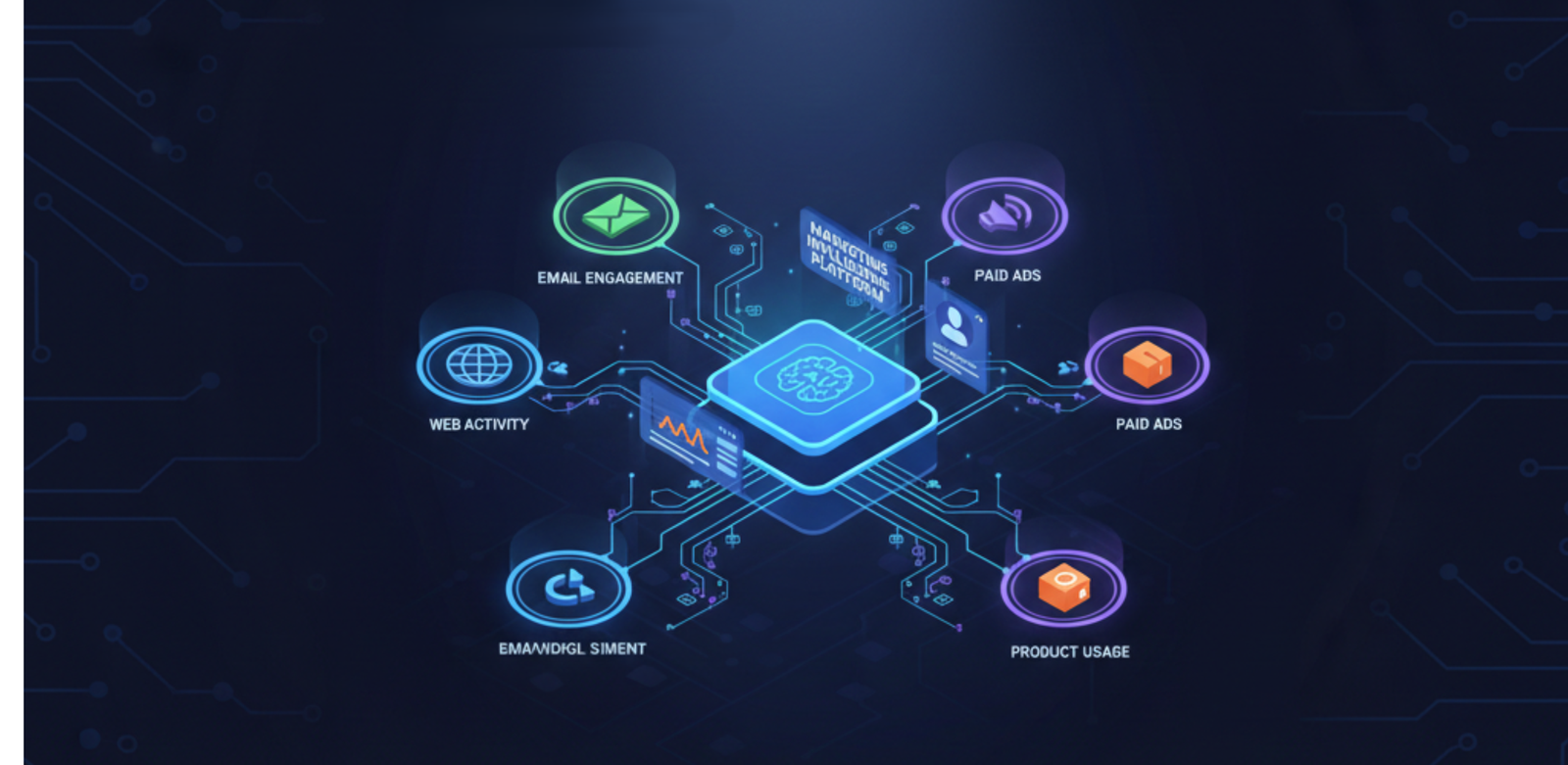
The Shift from Lead-Based Marketing to Signal-Based Marketing
Signal-based marketing is becoming the new foundation of B2B growth in 2026. For more than a decade, marketing teams relied heavily on lead generation as their primary success metric. The more leads collected, the better the performance was perceived. However, this model no longer reflects how modern buyers behave. Today’s B2B buyers conduct extensive research […]
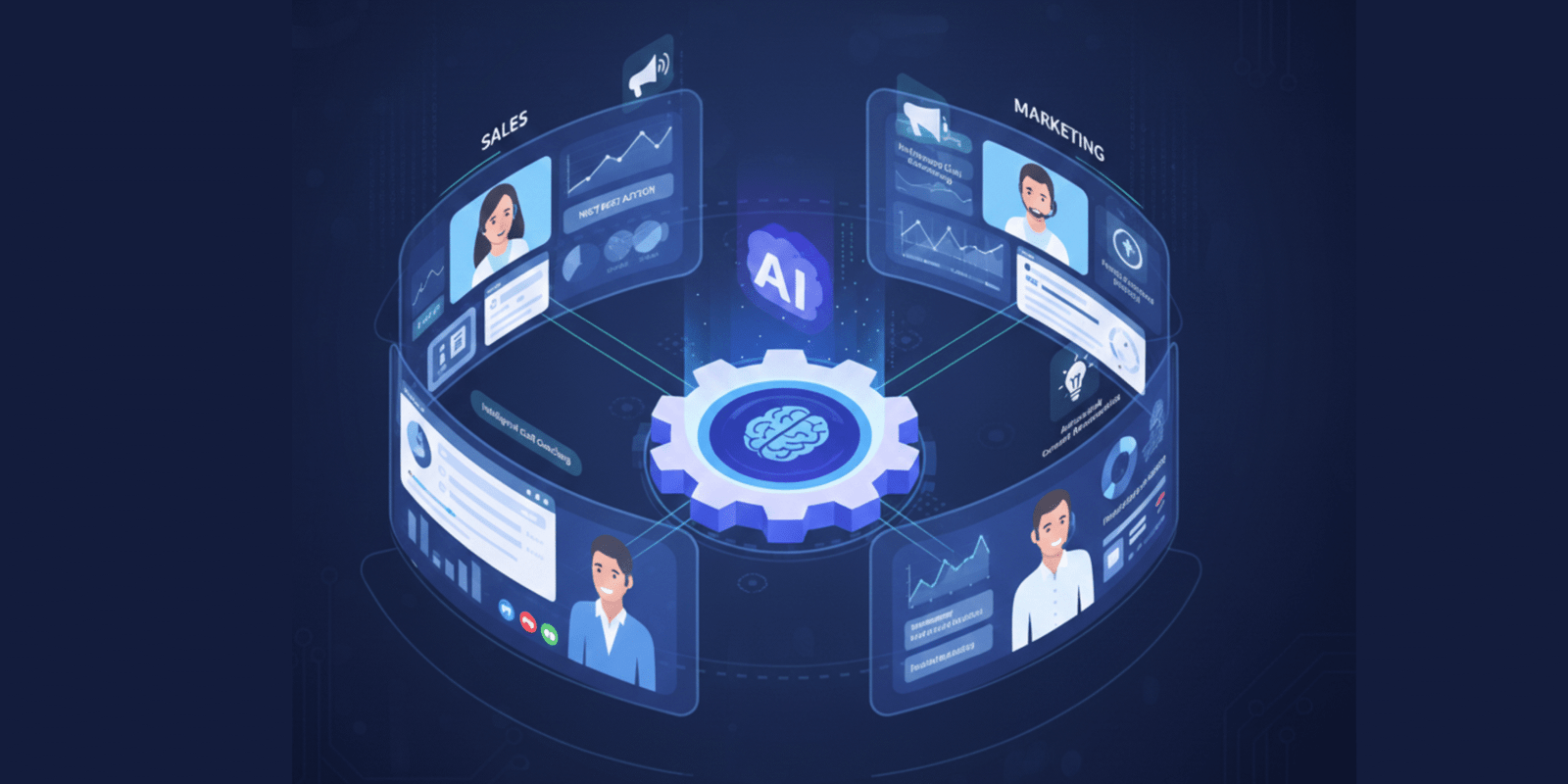
How AI Is Transforming Sales Enablement for Remote Teams
AI in sales enablement has become a critical growth driver for modern SaaS companies, especially as remote selling becomes the default operating model. In 2026, most B2B sales teams no longer rely on physical offices, in-person coaching, or manual content distribution. Instead, they operate in fully digital environments where performance depends on intelligent systems that […]
