
Artificial intelligence has made massive strides in recent years, but it still struggles with one key limitation efficiency. Traditional computing architectures are not designed to process information the way the human brain does. This is where neuromorphic computing is emerging as a breakthrough innovation.
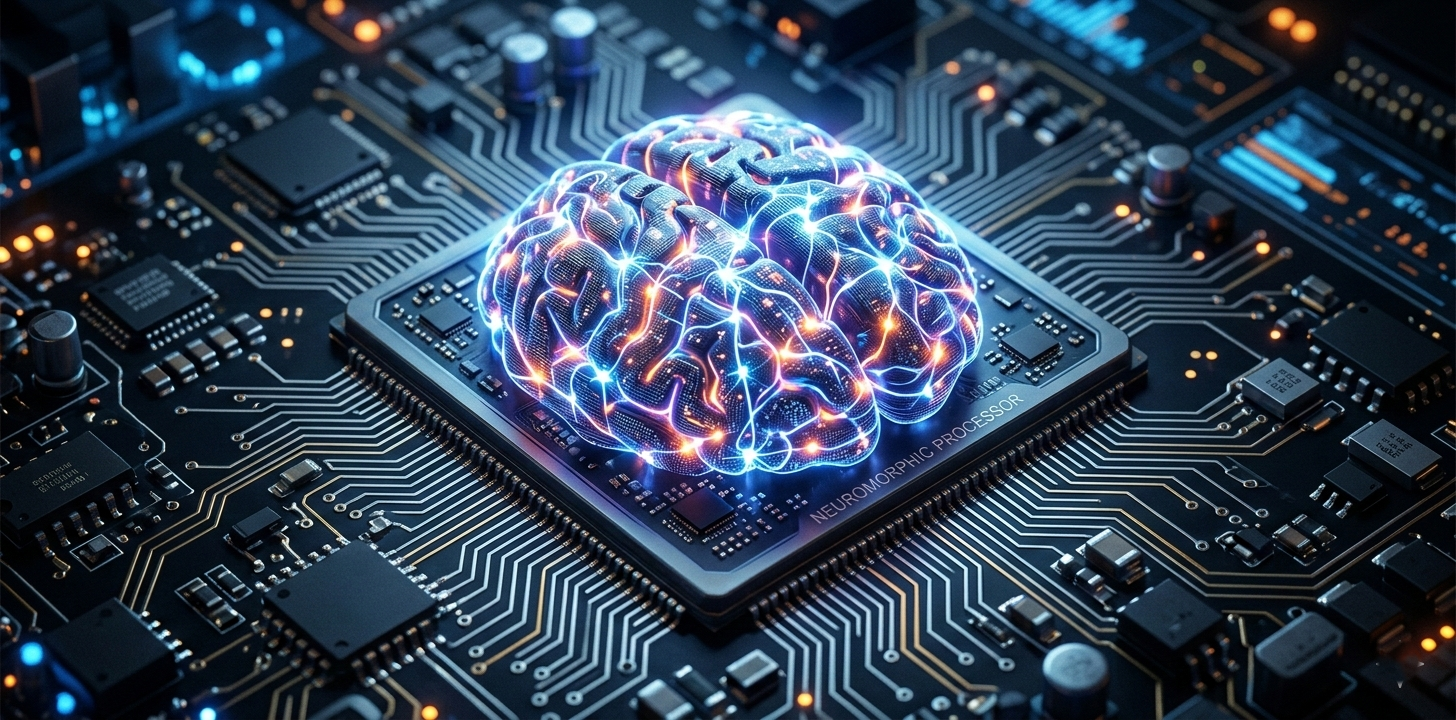
Neuromorphic computing mimics the structure and function of the human brain, enabling machines to process information faster, more efficiently, and with significantly lower power consumption. As enterprises demand smarter and more scalable AI systems, this technology is gaining serious attention.
What Is Neuromorphic Computing?
Neuromorphic computing is a design approach that replicates neural systems found in the human brain. Instead of processing tasks sequentially like traditional processors, neuromorphic systems use networks of artificial neurons and synapses.
This allows systems to:
- Process information in parallel
- Learn from data in real time
- Adapt dynamically to new inputs
Unlike conventional AI models that rely heavily on cloud processing, neuromorphic systems can operate closer to the edge, making them faster and more efficient.
Why Traditional AI Chips Are Hitting Limits
Modern AI relies on GPUs and CPUs, which are powerful but not optimized for brain-like processing. These systems consume large amounts of energy and require massive data centers to function effectively.
Key limitations include:
- High power consumption
- Latency in real-time processing
- Inefficiency in handling unstructured data
- Dependence on centralized computing
As AI adoption grows, these challenges become more significant, especially for real-time applications.
How Neuromorphic Computing Changes the Game
Neuromorphic computing introduces a fundamentally different approach by combining memory and processing into a unified system, just like the human brain.
1. Energy Efficiency
Neuromorphic chips consume significantly less power compared to traditional processors. This makes them ideal for edge devices and IoT systems.
2. Real-Time Learning
3. Faster Decision-Making
Parallel processing allows instant responses, which is critical for applications like robotics and autonomous systems.
4. Reduced Latency
Since processing happens closer to the data source, there is minimal delay in decision-making.
Real-World Applications
Neuromorphic computing is still evolving, but its potential use cases are already expanding:
Autonomous Systems
Self-driving vehicles and drones can process environmental data instantly and make faster decisions.
Healthcare
Neuromorphic systems can analyze complex biological signals, improving diagnostics and personalized treatment.
Smart IoT Devices
Devices can operate intelligently without relying heavily on cloud infrastructure.
Cybersecurity
Real-time anomaly detection becomes more efficient with adaptive learning systems.
Challenges to Overcome
Despite its promise, neuromorphic computing is not without challenges:
- Limited commercial adoption
- Complex hardware design
- Lack of standardized development frameworks
- High initial investment
However, as research progresses, these barriers are expected to decrease.
The Future of AI Hardware
Neuromorphic computing represents a shift from traditional computing models to more intelligent, adaptive systems. It aligns with the growing need for:
- Edge computing
- Real-time AI
- Energy-efficient infrastructure
As enterprises continue to push the boundaries of innovation, neuromorphic technology could become a foundational component of next-generation AI systems.
One Critical Insight
Don’t assume neuromorphic computing will replace existing systems overnight.
Instead, it will complement current AI infrastructure, especially in areas where efficiency and real-time processing are critical.
Conclusion
Neuromorphic computing is more than just an evolution of AI hardware, it’s a rethinking of how machines process information. By mimicking the human brain, this technology opens the door to faster, smarter, and more efficient systems. While still in its early stages, its impact on industries like healthcare, cybersecurity, and autonomous systems will be significant.
Businesses that start exploring neuromorphic computing today will be better positioned to leverage its full potential in the future. As AI continues to evolve, the shift toward brain-inspired computing may redefine what machines are truly capable of.
