
The battle for enterprise dominance is no longer fought over hardware specifications or software updates.
It is fought inside the digital wallet.
Technology giants are quietly transforming into financial institutions.
Samsung has officially accelerated this industry shift by announcing a major new partnership with Barclays.
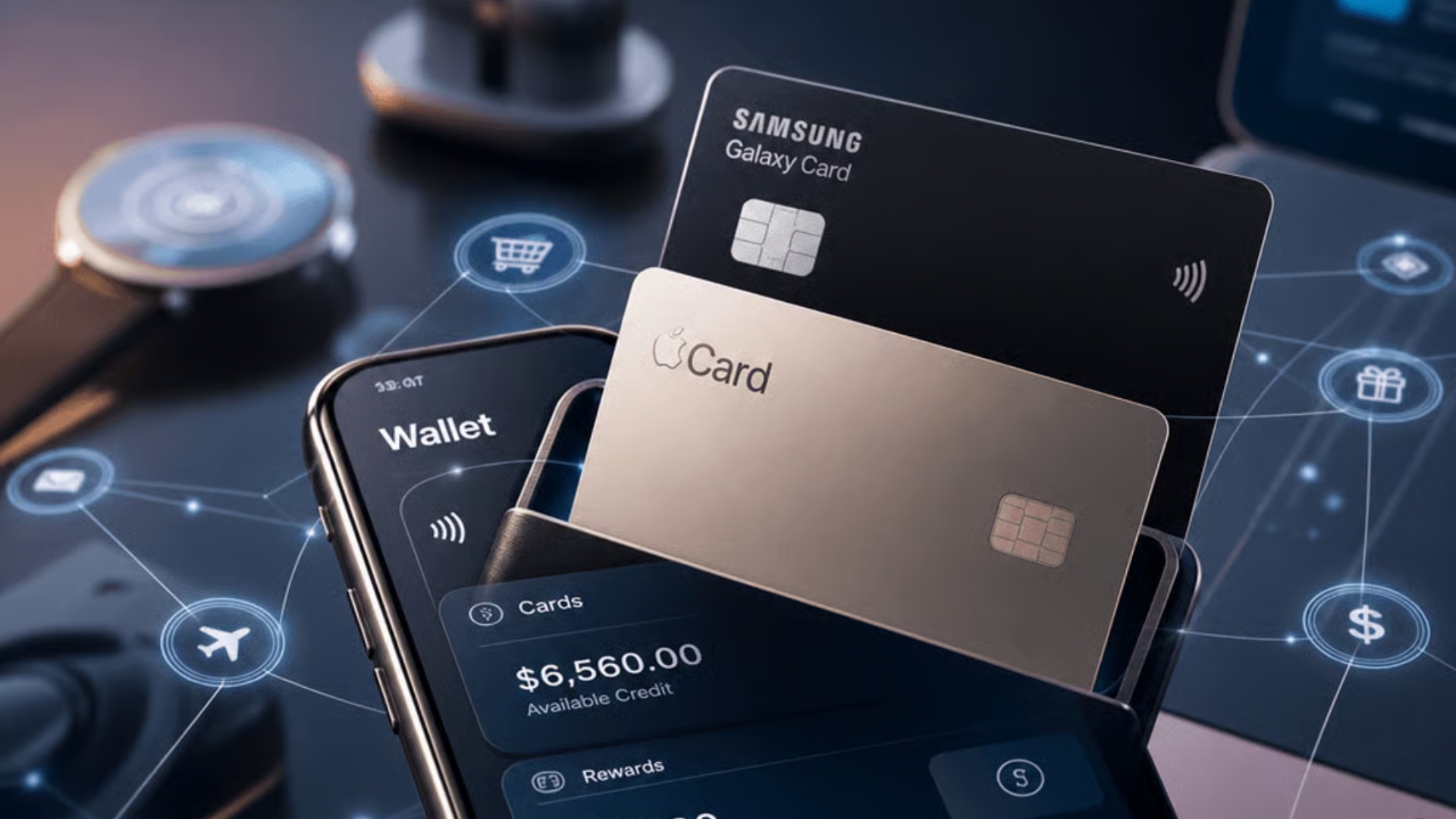
The primary objective of this collaboration is the launch of the highly anticipated Samsung US credit card.
This strategic move signals a massive ambition for a deeper, more permanent push into financial services.
For years, hardware manufacturers relied almost entirely on device upgrade cycles to drive their revenue growth.
Now, the competitive playbook has completely changed.
The launch of the Samsung US credit card proves that the race isn't about selling devices anymore.
It is about monetizing the entire customer ecosystem.
The transition from consumer electronics to embedded finance is happening at an unprecedented speed.
By teaming up with Barclays, Samsung is bringing its first co-branded credit card tailored specifically to the American consumer market.
This is not merely a standard retail loyalty program or a generic rewards initiative.
It is a highly calculated strategy to capture a larger, more lucrative share of the $10 trillion global digital payments sector.
The seamless integration of the Samsung US credit card with the existing Samsung Pay digital wallet creates a frictionless user experience.
Customers will naturally consolidate their daily spending habits within a singular, unified technological environment.
Every single transaction becomes a valuable data point, enabling Samsung to understand consumer behavior and purchasing patterns better than ever before.
Financial institutions like Barclays benefit immensely by gaining direct, immediate access to a massive and highly established user base.
This mutually beneficial relationship highlights how modern consumer banking relies heavily on technology platforms as primary distribution channels.
Companies do not lose markets because their competitors are physically bigger or better funded.
They lose because their competitors move faster to lock in long-term customer loyalty.
The introduction of the Samsung US credit card is a direct, aggressive competitive response to Apple and its well-documented financial ventures with Goldman Sachs.
When Apple launched its own branded card, it proved definitively that modern consumers were willing to trust technology brands with their personal credit lines.
Samsung is now executing a similar, highly effective ecosystem lock-in strategy.
When a user integrates their primary financial credit line with their smartphone ecosystem, the switching costs become phenomenally high.
Moving to a different smartphone brand no longer just means learning a new operating system or transferring photos.
It means actively disrupting personal finances, rebuilding payment histories, and abandoning accumulated reward structures.
This deep financial integration is expected to increase overall customer retention rates by over 30% for major technology hardware providers.
Google and Amazon are closely monitoring these market shifts as the traditional lines between retail, technology, and banking continue to blur.
The most significant takeaway from the Samsung US credit card announcement is the undeniable power of embedded finance.
Every major technology shift creates new market winners long before everyone else realizes the rules of the game have changed.
For technology decision-makers, marketing executives, and enterprise founders, this partnership reveals a critical long-term trend.
Owning the customer transaction is the ultimate competitive advantage in the modern economy.
Physical hardware and digital software are simply the entry points required to facilitate ongoing, daily financial relationships.
Samsung recognized that selling a mobile device only generates a one-time, isolated revenue spike.
Facilitating everyday financial transactions generates recurring enterprise value, deep behavioral insights, and long-term brand dependence.
B2B organizations and consumer technology platforms must seriously ask themselves how they can integrate financial utility directly into their existing product lines.
If a hardware manufacturer can successfully pivot toward credit facilities, any digital platform with a strong, active user base can explore similar financial monetization.
The strategic partnership between Samsung and Barclays is just the beginning of a much broader industry transformation.
Industry analysts expect the Samsung US credit card to introduce highly aggressive reward structures tied directly to purchasing other Samsung products.
This strategic maneuver creates a highly profitable closed-loop economy.
Users spend money on the card, earn rewards, and reinvest those rewards directly back into the brand's expansive hardware and appliance ecosystem.
Furthermore, the commercial success of this rollout will likely prompt other global electronics manufacturers to aggressively seek out similar banking partnerships.
Traditional banking institutions that fail to partner with major technology platforms risk becoming invisible, obsolete utility providers.
They will simply process financial transactions in the background while technology companies completely own the actual customer relationship.
The incoming integration of generative artificial intelligence will further personalize these financial products, offering real-time spending advice and automated credit limit adjustments based on user behavior.
The launch of the Samsung US credit card fundamentally alters the competitive landscape of digital finance and technology ecosystems.
Samsung and Barclays have proven that the future of banking requires a frictionless, technology-first approach to consumer engagement.
As the digital wallet officially becomes the central hub for modern commerce, hardware companies are successfully positioning themselves as the new gatekeepers of personal wealth.
The companies adapting to this ecosystem-driven model today will ultimately define tomorrow's market leaders.