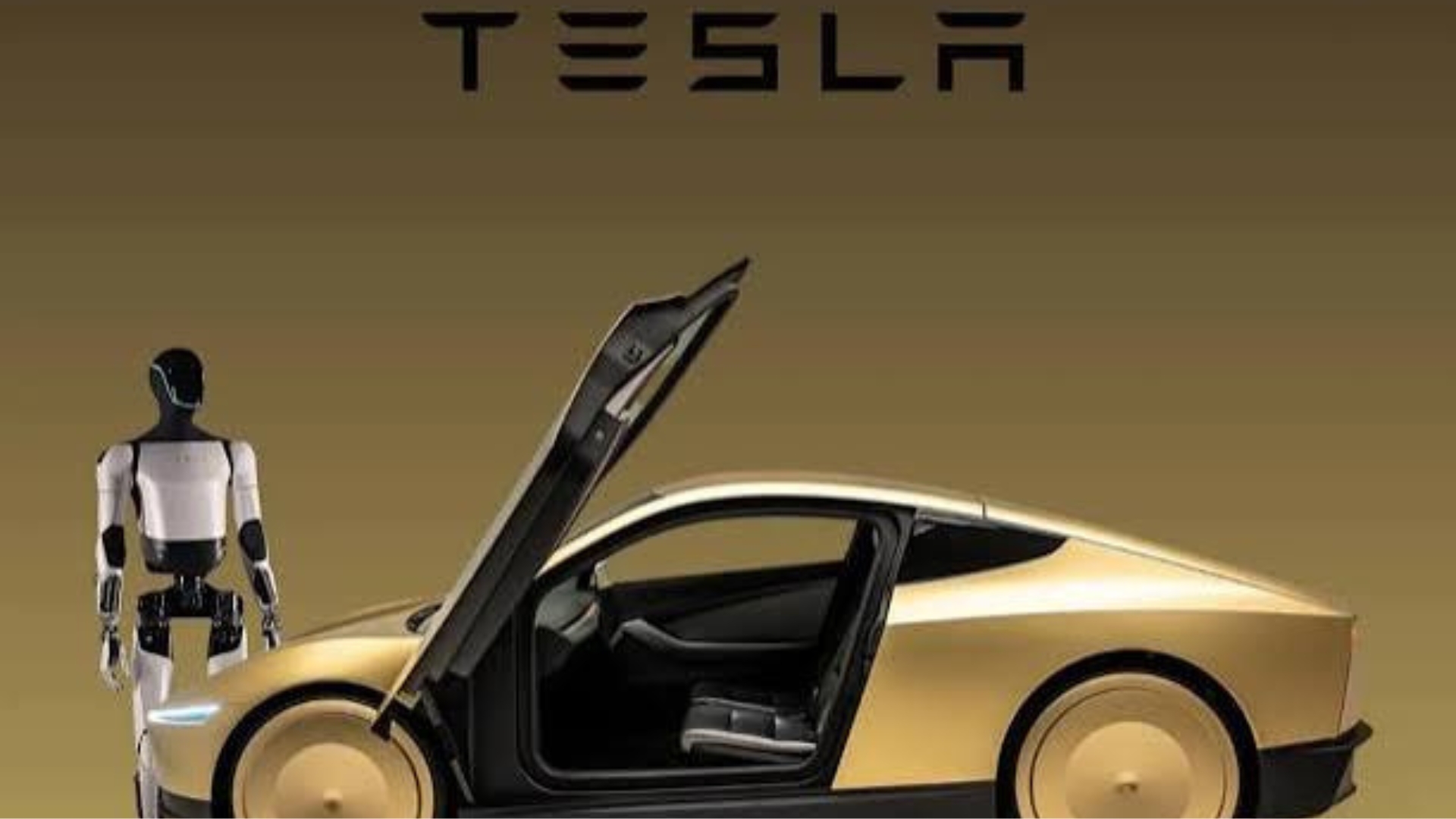
For years, the narrative surrounding the electric vehicle giant was dominated by promises of fully autonomous fleets generating passive income for their owners. Today, that narrative is undergoing a massive recalibration. Tesla is quietly adjusting its tone regarding the immediate rollout of its highly anticipated driverless network.
Elon Musk has historically championed the idea that software updates would soon turn consumer vehicles into self-driving cash machines. However, recent market moves and strategic realignments suggest the timeline for a standalone, steering-wheel-less robotaxi is stretching further into the horizon.
This pivot marks a profound shift in the Tesla robotaxi strategy. It signals a maturation in how the company approaches artificial intelligence and regulatory compliance. The realization is setting in that mastering edge-case driving scenarios requires significantly more time, capital, and data than initially projected.
The shift implies a return to automotive fundamentals. The company is prioritizing the delivery of next-generation, lower-cost consumer vehicles while allowing full self-driving technology to incubate at a more realistic pace. This evolution of the Tesla robotaxi strategy proves that even the most ambitious disruptors must eventually bow to the physics of the real world.
The ripple effects of this strategic adjustment extend far beyond the stock price of a single automaker. The broader autonomous vehicle market is watching closely. Competitors who have taken a slower, more geo-fenced approach are suddenly finding validation in their conservative strategies.
Alphabet subsidiary Waymo and General Motors backed Cruise have poured billions into localized, highly mapped autonomous testing. While Tesla mocked these approaches for relying on expensive LiDAR hardware, the reality of deploying unregulated, vision-only autonomy across the globe has proven immensely complex.
This deliberate adjustment in the Tesla robotaxi strategy gives companies like Uber and Lyft much-needed breathing room. These ride-hailing giants previously faced the existential threat of a massive fleet of driverless cars undercutting their human-driven networks. Now, they have an extended runway to solidify their own autonomous partnerships.
Industry analysts recognize this recalibration as a necessary dose of realism. The biggest mistake technology leaders make is assuming software scaling rules apply perfectly to hardware operating in unpredictable physical environments.
The Tesla robotaxi strategy was initially built on the premise of exponential AI learning curves. While neural networks are advancing at an astonishing rate, the rare, unpredictable events on the road remain stubbornly difficult to solve.
Regulatory bodies like the National Highway Traffic Safety Administration are demanding rigorous safety data before approving the widespread deployment of vehicles lacking traditional controls. By softening the immediate promises of a global driverless rollout, Elon Musk and his executive team are shielding the company from severe regulatory backlash.
Understanding the revised Tesla robotaxi strategy requires looking at where the capital is flowing next. The immediate future for the automaker will heavily feature the continued refinement of its Full Self-Driving software as a premium driver-assist feature rather than a fully autonomous replacement.
This mass-market play is critically important for fending off rapidly expanding Chinese competitors like BYD, who are aggressively capturing global market share with affordable electric cars. The long-term vision of a robotic fleet remains intact, but it is no longer the sole pillar supporting the company’s massive valuation.
Every major technology shift creates new winners before everyone else realizes the rules have changed. Companies don't lose markets because competitors are bigger; they lose because they misjudge the timing of industry disruption.
The future of the Tesla robotaxi strategy will be defined by incremental software victories and deep regulatory cooperation, rather than overnight disruption. The race is no longer just about who builds the smartest AI. It is about who can seamlessly integrate that AI into heavily regulated public infrastructure without destroying consumer trust.
The companies adapting today will define tomorrow's market leaders.