he battle for enterprise and consumer connectivity is no longer fought using earthly cell towers.
It is being waged aggressively in low Earth orbit.
For the past few years, industry consensus suggested that SpaceX had secured an insurmountable first-mover advantage in the satellite internet sector.
But every major technology shift creates new winners before everyone else realizes the rules have changed.
The development of the highly anticipated Amazon satellite mobile network represents a fundamental shift in telecommunications, directly challenging the dominance of Starlink.
This is not just another product launch.
It is a high-stakes infrastructure war that will redefine global communications, dictate enterprise connectivity, and reshape the mobile carrier landscape for the next decade.
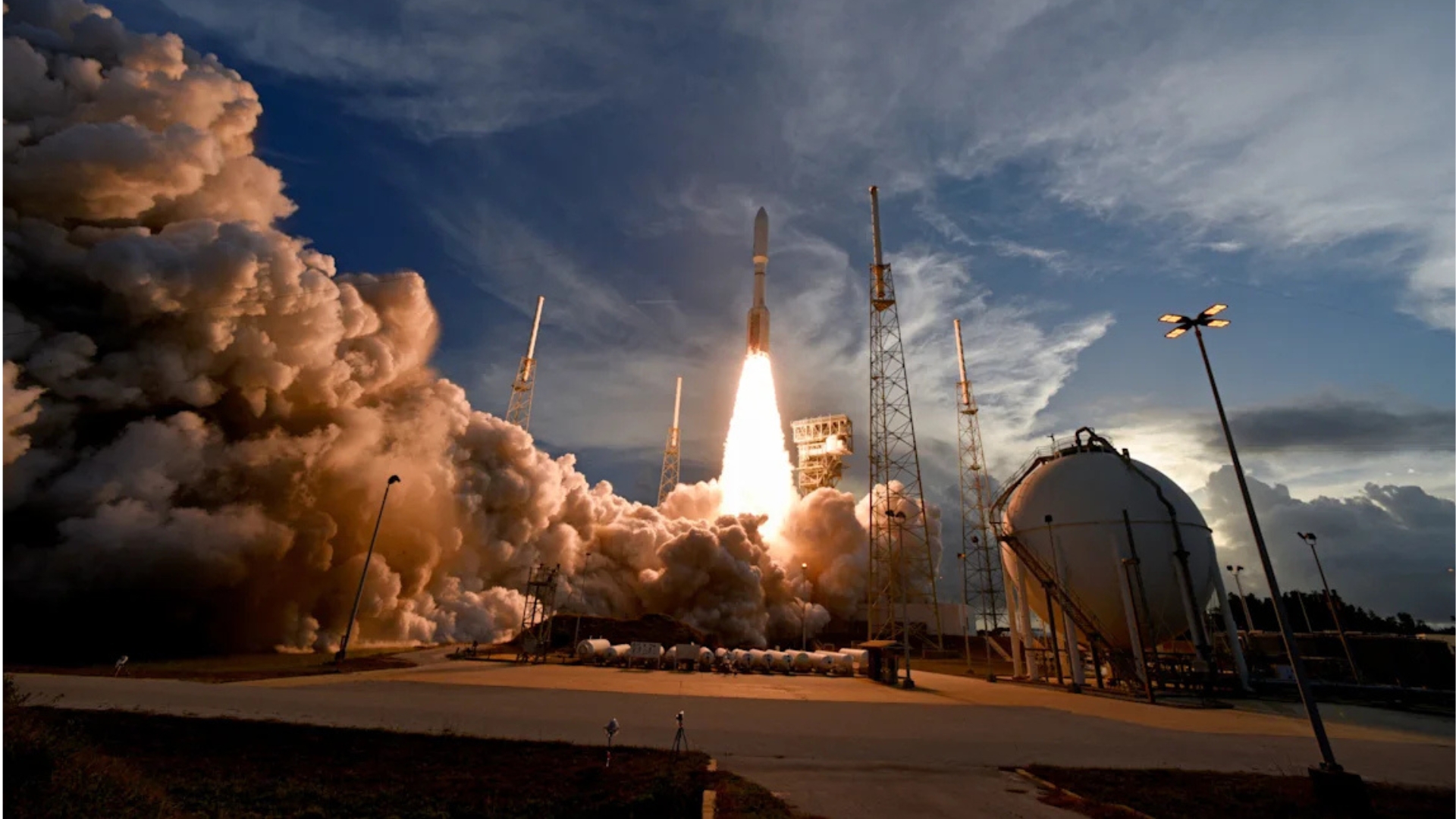
Amazon is heavily accelerating Project Kuiper, its ambitious initiative to blanket the globe with broadband connectivity from space.
Backed by a massive $10 billion initial investment, the tech giant plans to deploy exactly 3,236 satellites into low Earth orbit.
While the initial focus was on fixed home and enterprise internet, the strategic pivot toward direct-to-cell technology has completely altered the competitive dynamics.
Elon Musk and SpaceX recently initiated testing for direct-to-smartphone connectivity in partnership with T-Mobile, aiming to eliminate cellular dead zones entirely.
However, Jeff Bezos and Amazon are refusing to concede this lucrative sector.
By building infrastructure capable of beaming cellular service directly to unmodified smartphones, Amazon is positioning itself as a formidable alternative for global telecom providers.
The primary battleground has officially shifted from bulky rooftop antennas to the device sitting in your pocket.
The emergence of this new Amazon satellite mobile network matters because it turns traditional telecommunications providers into proxy warriors.
Major carriers are scrambling to partner with satellite operators to promise 100% geographic coverage to their subscribers.
While SpaceX secured early alliances with T-Mobile in the United States and KDDI in Japan, Amazon has countered by cementing strategic partnerships with giants like Verizon and Vodafone.
This creates a massive paradigm shift for enterprise businesses, logistics companies, and maritime operations that rely on uninterrupted connectivity.
The direct-to-device market is projected to unlock over $20 billion in new revenue over the next decade.
For technology decision-makers, this means remote infrastructure monitoring, autonomous supply chains, and global workforce connectivity will soon operate without geographic limitations.
The telecom companies that fail to integrate space-based networks will simply lose their enterprise contracts to competitors who do.
Analyzing this move requires looking past the hardware and understanding the broader ecosystem play.
Amazon does not just want to sell cellular service; it wants to own the underlying data pipeline.
By integrating Project Kuiper with Amazon Web Services (AWS), the company can offer enterprise clients a seamless, end-to-end cloud and connectivity solution.
This creates an unprecedented lock-in effect.
If a global logistics firm can manage its remote fleets, process data in the cloud, and maintain continuous cellular contact entirely within the Amazon ecosystem, the value proposition becomes nearly unbeatable.
Companies do not lose markets because competitors are bigger; they lose because competitors move faster in unrecognized territories.
While SpaceX leads in launch capabilities and current satellite count, Amazon possesses deep enterprise relationships, massive cloud infrastructure, and infinite capital patience.
The race to dominate space-based cellular networks will undoubtedly trigger massive industry consolidation.
Over the next 24 months, expect aggressive regulatory battles over radio frequencies and spectrum allocation between SpaceX, Amazon, and legacy telecom providers.
Hardware giants like Apple and Google are already building satellite communication capabilities natively into their operating systems.
As these low Earth orbit constellations expand, the distinction between a traditional cellular network and a satellite network will vanish completely for the end user.
The ultimate winner will not necessarily be the company with the most satellites, but the one that integrates most frictionlessly with the devices consumers and enterprises already own.
The rollout of the Amazon satellite mobile network proves that the commercialization of space is entering its most disruptive phase yet.
This is no longer an experimental technology reserved for rural outposts or maritime vessels.
It is a mainstream infrastructure revolution that will force every major telecom operator, cloud provider, and enterprise technology leader to rethink their connectivity strategies.
The companies adapting their digital infrastructure today will define tomorrow's market leaders.