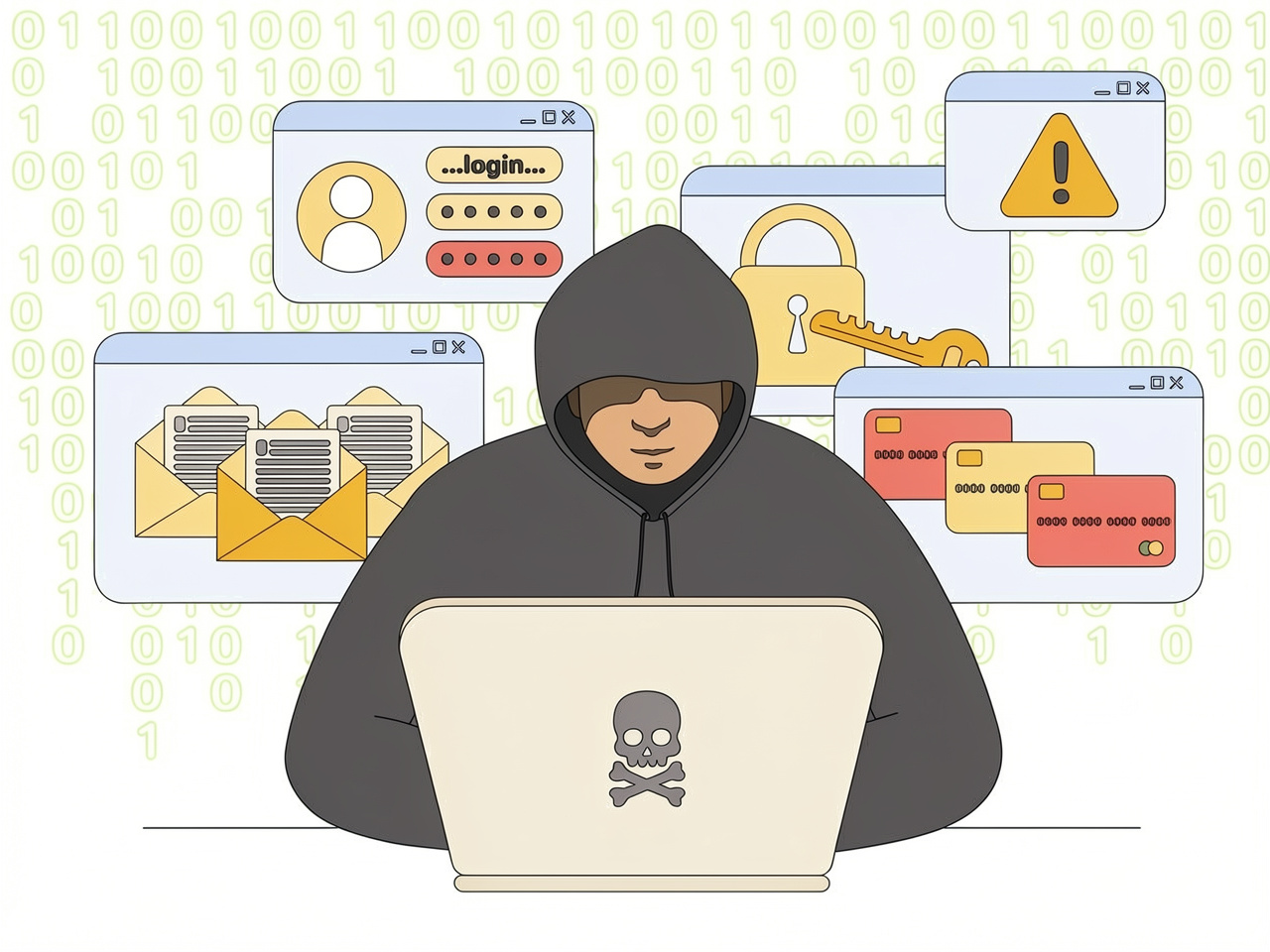

Cybercriminals now view small and medium-sized businesses (SMBs) as primary targets. As systems such as cloud platforms, digital payments, AI, and remote work technologies become strongly entrenched, the number and severity of cyberattacks against SMBs are increasing, and even geographically distant SMBs are not immune.
Some small businesses mistakenly think they are safe since cybercriminals are focused on “easy targets” (especially large companies with sizeable cyber-attack budgets) and since SMBs are targeted because of the lack of decent cybersecurity mechanisms and limited/absent cybersecurity budgets
Why Are SMBs the Preferred Target of Cybercriminals?
Many SMBs are relaxed about embedded vulnerabilities within their technology ecosystem. Older software, ineffective passwords, and cloud systems with few or no restrictions abound. Cybercriminals easily exploit SMBs due to their weaknesses.
All SMBs have the vulnerabilities listed below.
· Little or no training is available to employees about cyber threats.
· Little to no concern regarding how passwords are created or changed.
· Cyber systems are not updated to the most recent software.
· Setting restrictions on the safety of cloud systems are too relaxed.
· Lots of time passes without active threat analysis.
Maintaining a network for penetration is less costly, allowing for a quicker return on investment for cybercriminals.
Common Cybersecurity Threats that Endanger SMBs
Phishing
Phishing emails are a top enemy in the battle against data breaches. Potential victims receive emails that seemingly invite them to submit a payment or are taken to a fake login page where their sensitive and valuable login data are stolen.
Ransomware
Ransomware attacks are executed by enemy actors maliciously encrypting data and demanding ransom in exchange for the data that was originally owned by the victims. SMBs are even more in danger, as most lack adequate backup and recovery systems for business data.
Cloud Security Risks
Cloud-based operations have become mainstream, and along with it, there are still some SMBs that are struggling with cloud security.
The recent cybersecurity trend has thus far been characterised by:
· Cloud storage that has been incorrectly set up
· Insecure APIs
· Low-grade access controls
· Data encryption deficiencies
Cloud cybersecurity exposes customer and financial data.
Best Cybersecurity Tools for SMBs
Cybersecurity solutions can hugely benefit your business by digitally securing your business and minimising risk.
CrowdStrike is great for spotting malware and ransomware.
Microsoft Defender includes email and device security and offers corporate email accounts a range of built-in security and threat protection.
Cloudflare blocks DDoS attacks and bots. Cyber security threats targeting your site will be a problem of the past.
For SMBs, Norton Small Business sells cloud backup, antivirus, and password protection.
Cisco Secure combines tremendous network protection and threat intelligence for SMBs.
Websites and Platforms That Help Catch Cybercriminals
Various security platforms and organisations have their attention on catching the criminals who perpetrate cybercrime.
Cyber Crime Portal India
The Cyber Crime Portal is an Indian government portal that helps these organisations report fraud, online scams, and phishing attempts.
Interpol Cybercrime Division
The Cybercrime Unit of Interpol acts globally to chase cybercriminals' networks and fraud.
Virus Total
Virus Total is a classic in digital security. Scanning files or websites for potentially harmful content or malware is easy.
Have I Been Pwned
Have I Been Pwned has a great service for both clients and companies to determine if their personal accounts, cybersecurity, and sensitive information, like email or passwords, have been compromised in a breach.
AbuseIPDB
AbuseIPDB helps to identify the IP addresses of the perpetrators of cybercrime.
Various tools are offered to assist organisations in threat monitoring and primary-level cybersecurity training.
Best Cybersecurity Practices for SMBs
Employee Training
Phishing emails, fake links, online scams, and other types of cybercrime should be thoroughly documented to train employees on what to be wary of. Cybersecurity awareness training done on a routine basis will have a positive impact on a business's protection and will foster fewer mistakes by employees.
Multi-Factor Authentication
People use multiple methods of protection to align with their cyber safety, and so should your business. More than just a password should be required to gain access.
Regular Data Backups
To protect your business from major loss to cybercrime, it is best practice to perform frequent data backups.
Software Updates
Falling behind on software, applications, and operating systems can leave a business with the consequences of outdated protection.
Cloud Security Monitoring
To protect your business and its data when using cloud systems, it's critical to monitor your systems continuously to detect security flaws.
Encryption
It's virtually impossible to breach when using protection methods to conceal and protect consumer and business information from potential data loss.
Access Management
Internal and external business protection is achieved by preventing all but the necessary employees from accessing critical information systems and data of a business.
Conclusion
Cybercriminals have begun to target SMBs. Due to the belief that SMBs are less concerned about security, organisations are beginning to increase their concern around the organisation.
Increased Internet threats that include phishing, ransomware, AI-focused attacks, and threats to the cloud have caused SMBs to increase cybersecurity measures and train their employees.
Protection of their data will help to continue their businesses and aid SMBs to protect the relationships they have established while supporting their businesses.
Due to the severe loss of security that is sustained in the cybersecurity of an organisation, the loss of SMBs will continue to be a disaster for them.