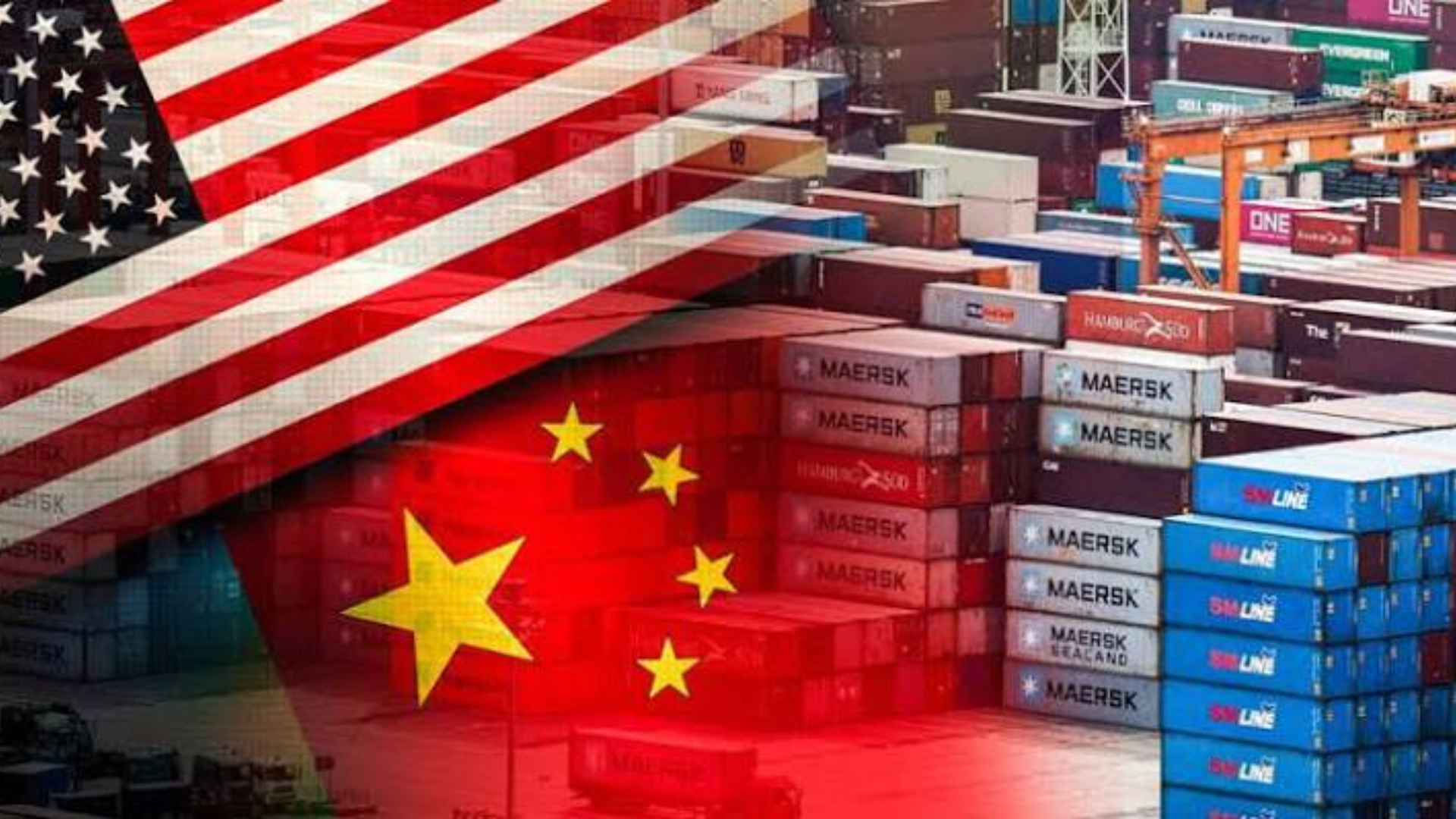

The United States government has significantly intensified its regulatory stance against Beijing by enforcing new import bans on Chinese technology. The recent policy shift targets a broader range of electronics, telecommunications equipment, and advanced computing hardware entering the domestic market. Representatives from the U.S. Department of Commerce emphasized that these measures are essential for national security and domestic infrastructure protection. As global markets react, multinational corporations are actively assessing the immediate impacts of these expanded import bans on Chinese technology on their complex supply chains and long-term procurement strategies.
What Happened
Lawmakers and federal agencies have collaborated to widen the scope of existing trade restrictions. Previously, the government focused primarily on high-end semiconductors and equipment used in artificial intelligence development. The newly announced framework introduces comprehensive import bans on Chinese technology encompassing consumer electronics, IoT devices, and critical telecommunications infrastructure components.
Officials operating under the Biden Administration, led by Secretary of Commerce Gina Raimondo, have articulated that these steps aim to mitigate vulnerabilities in domestic communication networks. The updated entity list now completely prohibits the entry of goods manufactured by several prominent hardware manufacturers based in Shenzhen and Shanghai, including subsidiaries tied to Huawei and ZTE. This aggressive legislative action is projected to cut off an estimated $45 billion in annual cross-border technology imports.
The enforcement mechanisms associated with these regulations give customs and border officials unprecedented authority to seize shipments that lack extensive documentation proving their non-Chinese origin. This burden of proof fundamentally shifts the operational logistics of global hardware distribution.
Evaluating the Industry Impact of the Import Bans on Chinese Technology
The immediate fallout from these stringent import bans on Chinese technology is reverberating across the global supply chain ecosystem. Enterprise technology vendors and consumer electronics giants are facing urgent mandates to source alternative components before strict compliance deadlines expire. Analysts at Gartner suggest that procurement costs could rise by 15% to 25% for companies heavily reliant on Asian manufacturing hubs.
Hardware conglomerates like Apple and Cisco have already spent the past three years diversifying their manufacturing footprint into India and Vietnam, but this accelerated regulatory timeline presents severe logistical bottlenecks. Small and medium-sized enterprises lacking the capital to rapidly shift supply chains will bear the heaviest financial burden, potentially passing a 10% price increase directly to end consumers. The sweeping nature of the mandate is forcing organizations to audit their entire hardware ecosystem for restricted components to avoid severe federal penalties.
Market strategists view this development as a decisive pivot from targeted decoupling to a more absolute technological partition between the two largest global economies. By expanding the import bans on Chinese technology, Washington is sending a clear signal that economic interdependence no longer outweighs geopolitical security concerns.
Trade analysts at Goldman Sachs note that this aggressive regulatory posture creates a fragmented technology market. Multinational companies must now operate within two distinct technological ecosystems, one centered around Western regulatory standards and another aligned with Beijing. This bifurcation stifles global research and development synergies while forcing nations in Europe and Southeast Asia to choose strategic alignments. The move effectively weaponizes market access, utilizing purchasing power to cripple the international revenue streams of foreign state-sponsored tech enterprises.
Future Outlook
The escalation guarantees reciprocal action from overseas trade authorities. Market observers anticipate that Beijing will retaliate by restricting exports of critical raw materials, specifically rare earth elements like gallium and germanium, which are vital for semiconductor and battery manufacturing. The World Trade Organization is likely to see a surge in formal grievances, though the immediate enforcement of the import bans on Chinese technology will proceed unabated.
Domestic technology manufacturing initiatives, subsidized by the recent CHIPS and Science Act, will experience accelerated funding to fill the sudden supply void. Corporations like Intel and Micron stand to benefit from the reshuffled market, provided they can scale domestic fabrication facilities rapidly enough to meet surging demand. Furthermore, enterprise technology buyers will need to restructure their procurement contracts to include strict compliance clauses. Legal teams will play an increasingly prominent role in supply chain management as the financial penalties for violating these trade restrictions can reach into the millions of dollars per infraction. The next fiscal year will serve as an intense stress test for Western supply chain resilience.
Conclusion
The global technology sector is entering an era of unprecedented regulatory complexity and geographic division. The aggressive expansion of import bans on Chinese technology fundamentally rewrites the established rules of global hardware procurement and international trade. Corporate boardrooms and business leaders must now treat geopolitical risk as a core operational metric rather than a peripheral concern. As the trade barriers between these technological superpowers solidify, the rapid pursuit of supply chain sovereignty will define the next decade of enterprise technology strategy and economic diplomacy.